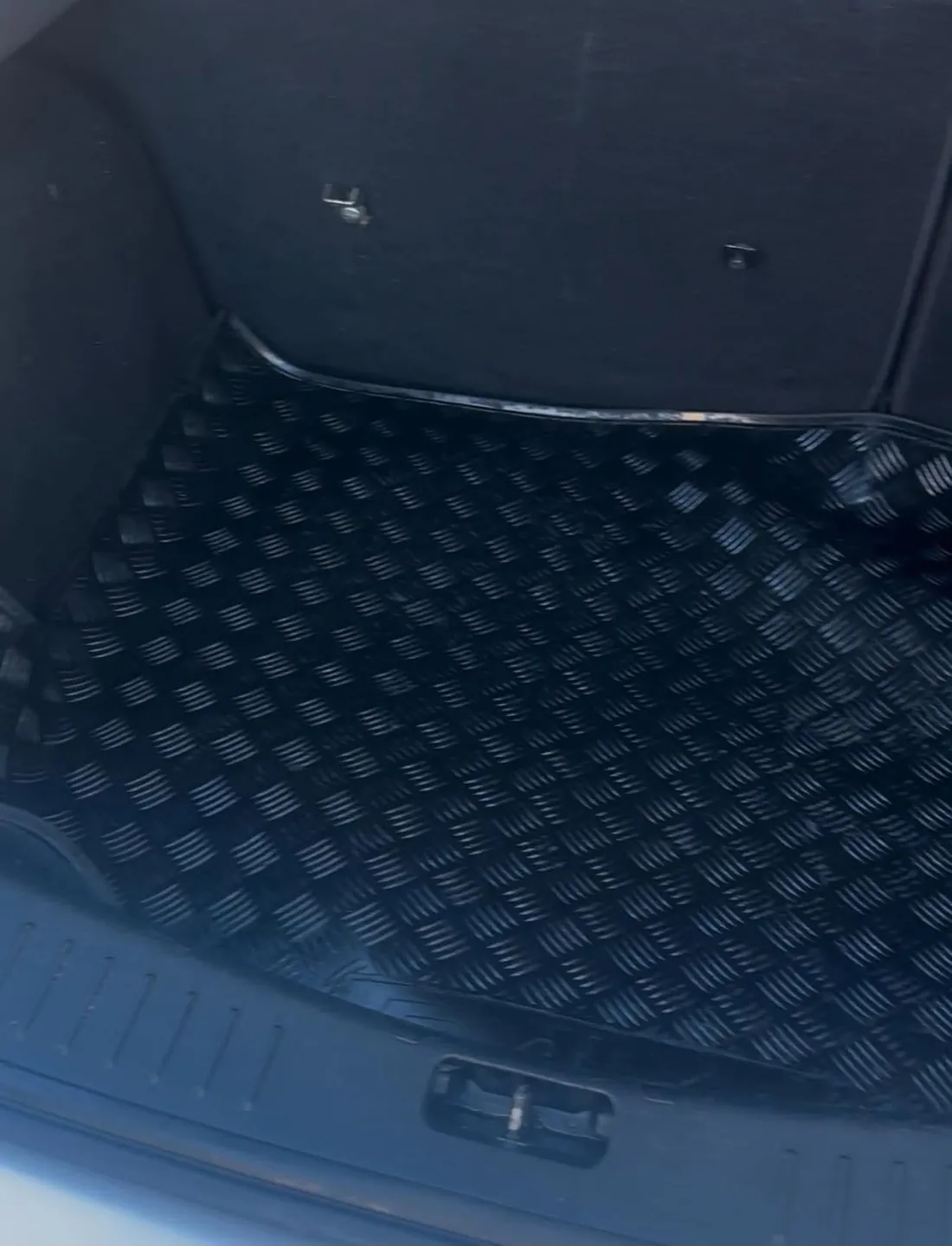
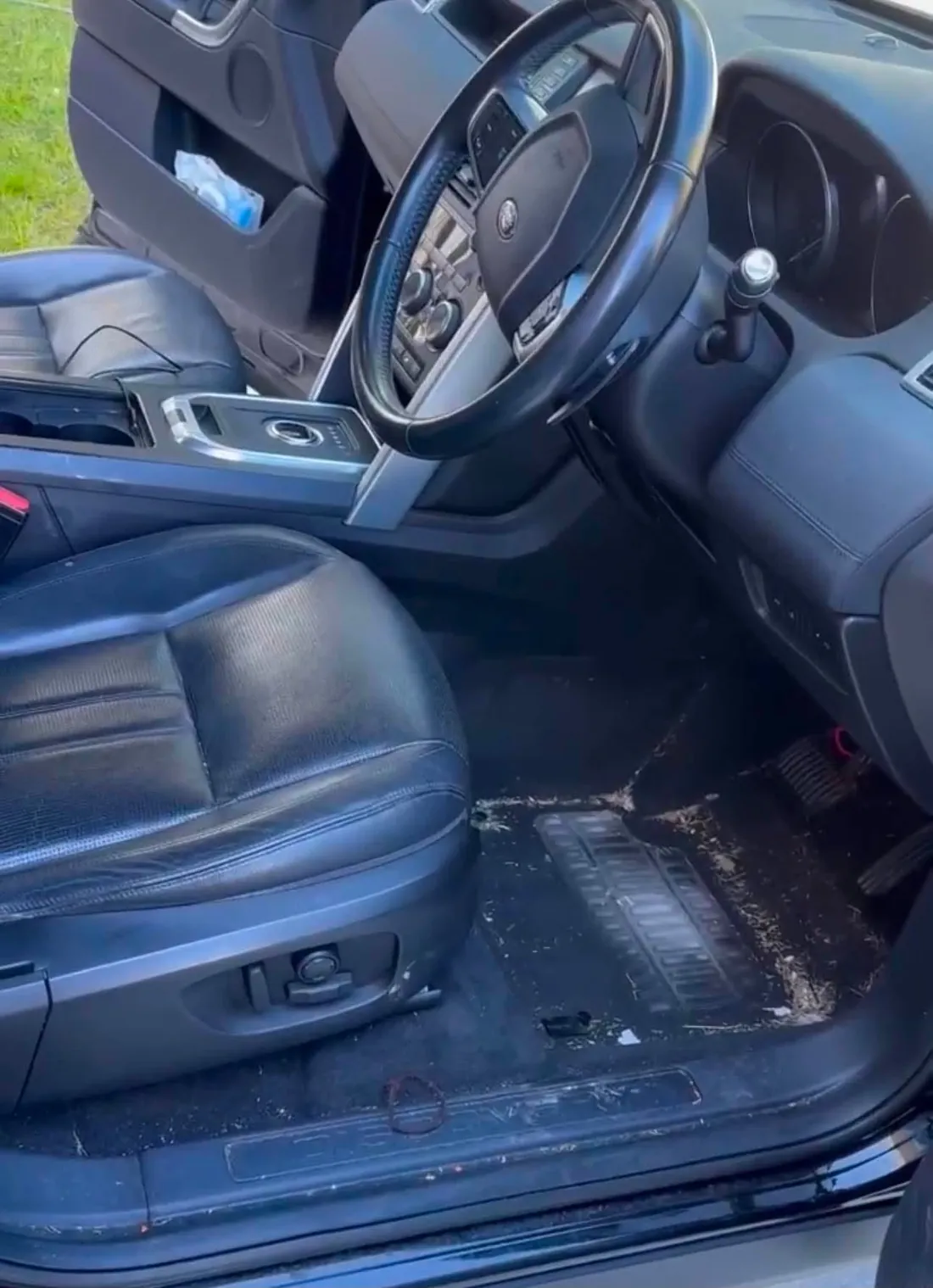
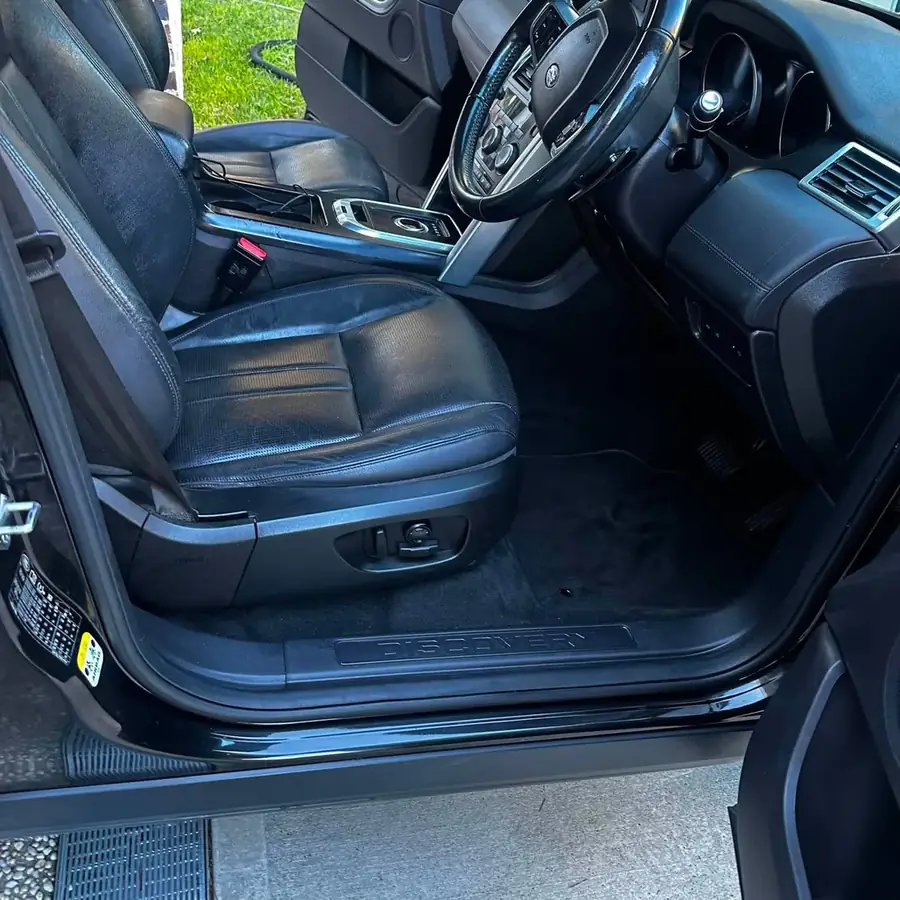
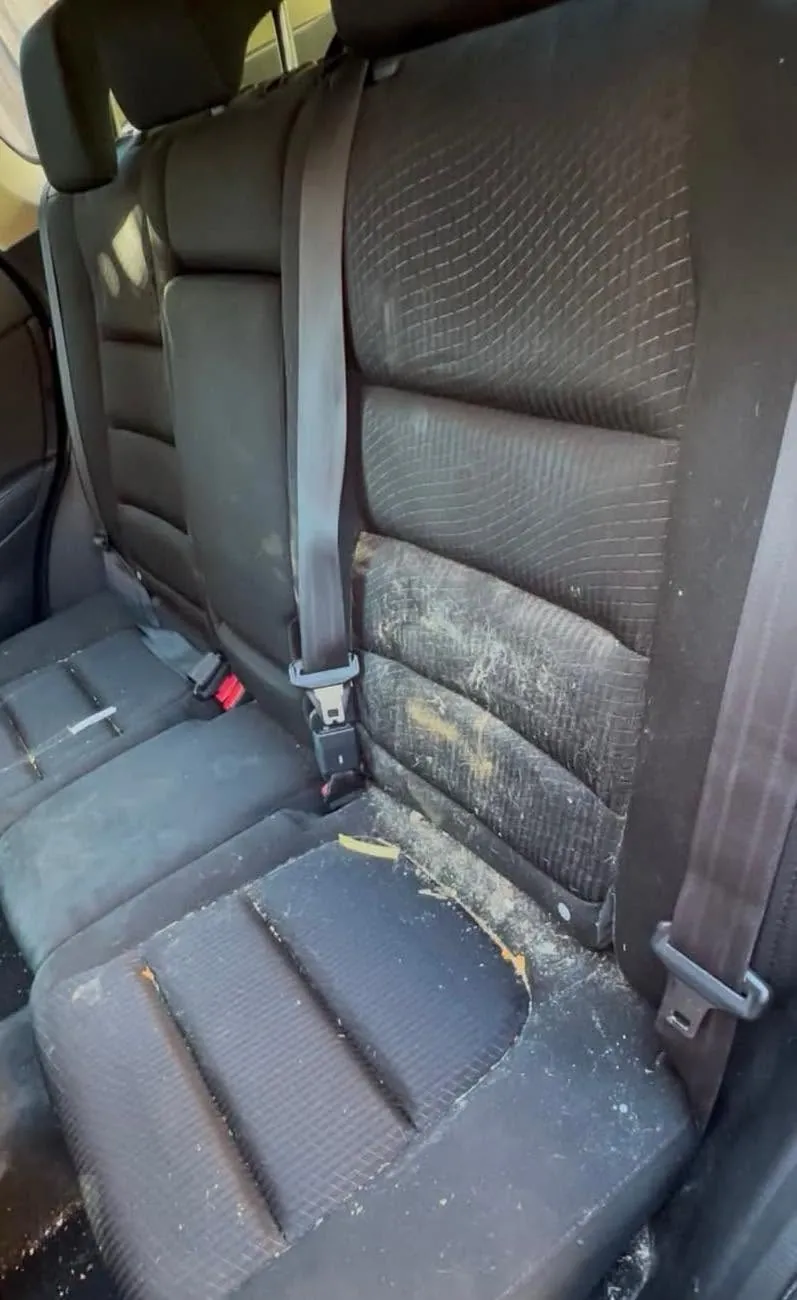
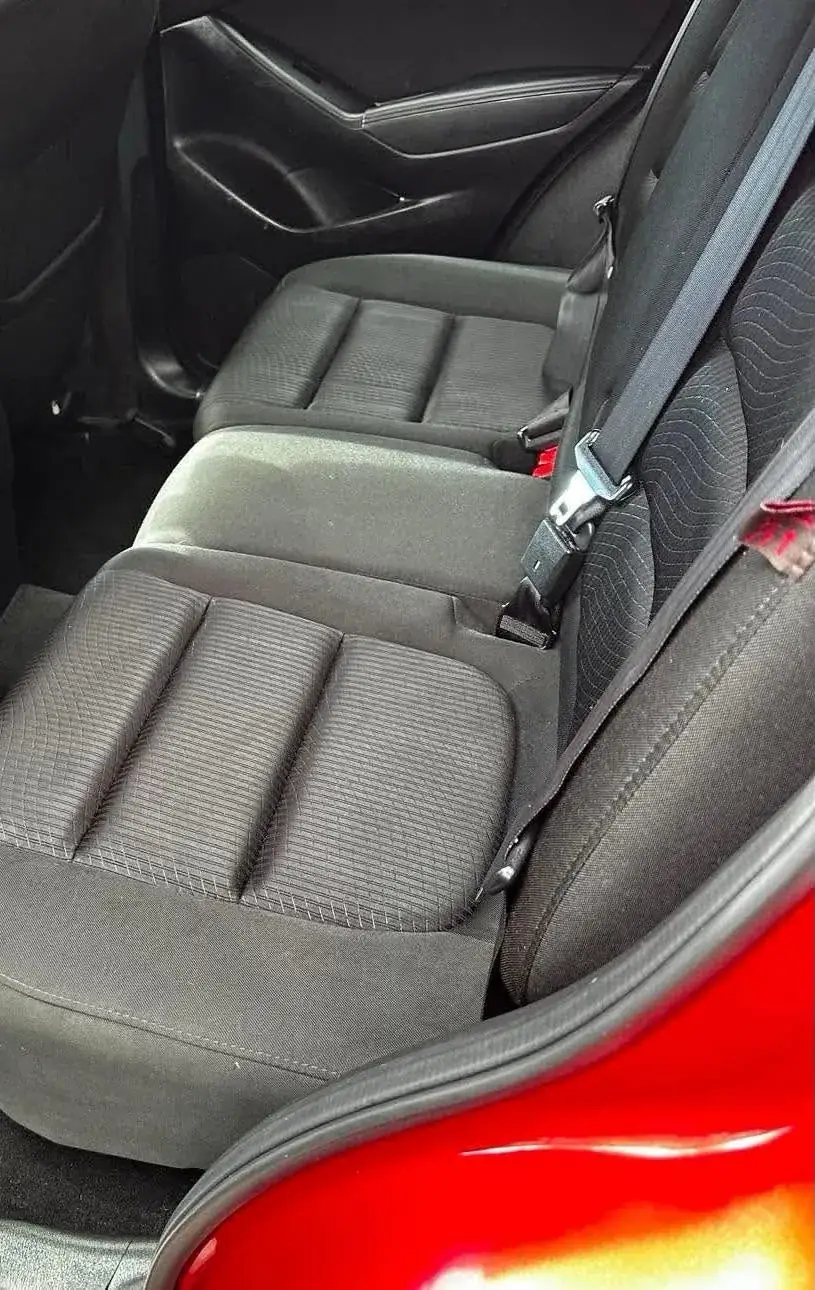
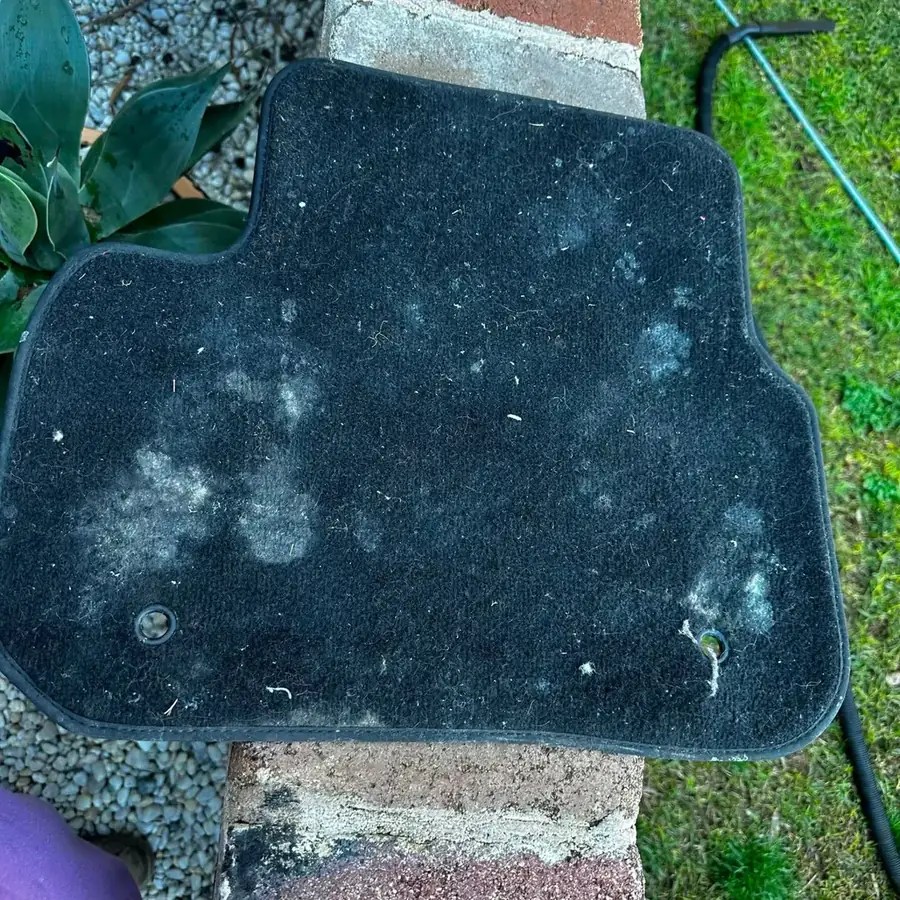
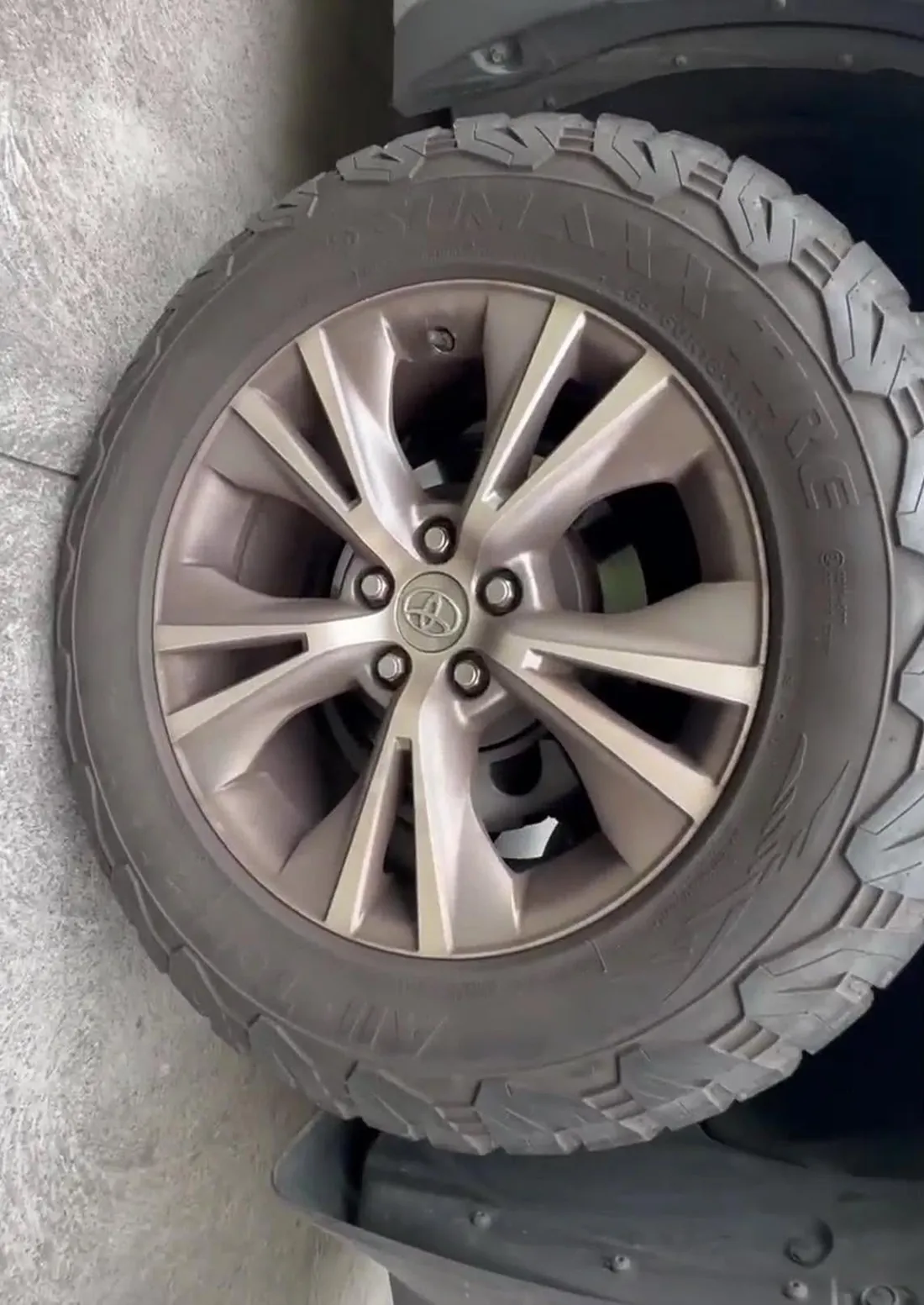
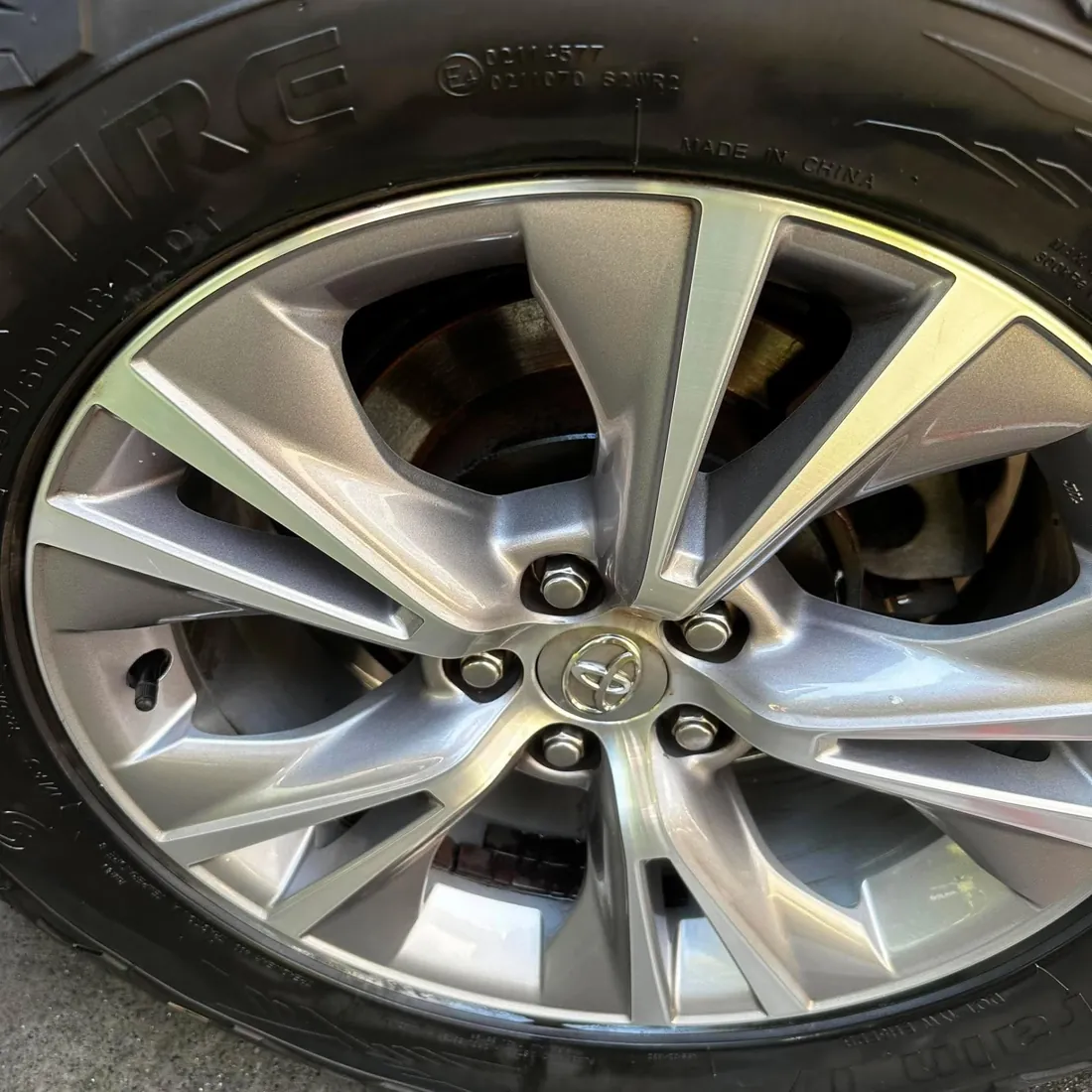
Port Hacking is one of the most exclusive waterfront enclaves on the Port Hacking River — deep-water frontages, private jetties and boatsheds, and a community of luxury homes that treat the water as an extension of the house. The vehicles sitting in those driveways do serious work too: towing the boat down to the jetty, the school run along winding hillside streets, and daily exposure to salt air rolling off the river. Motrivo brings a complete interior and exterior detail to your Port Hacking driveway or boatshed apron. The Signature Detail is $299 for any vehicle size, there is no deposit, and you pay after the finished-car walkaround.
A typical week for a Port Hacking vehicle is a study in contrasts. It leaves a private jetty-side driveway for the highway commute, navigates steep hillside streets and tight switchbacks, and returns to a garage that smells faintly of salt air and sea spray. The cabin fills with wetsuits, life jackets and boat gear on the weekend. By the time it rolls back up the driveway, the paintwork has been collecting salt film, gum-tree sap and bushland dust from the reserve above the water the entire time. Prestige vehicles here face environmental factors that demand a more nuanced approach than a simple high-volume wash can provide. The proximity to the deep-water frontage brings a persistent salt haze that can make grime bond more tightly to the clear coat, while the surrounding bushland means organic acids are constantly present on paint left parked under the canopy.
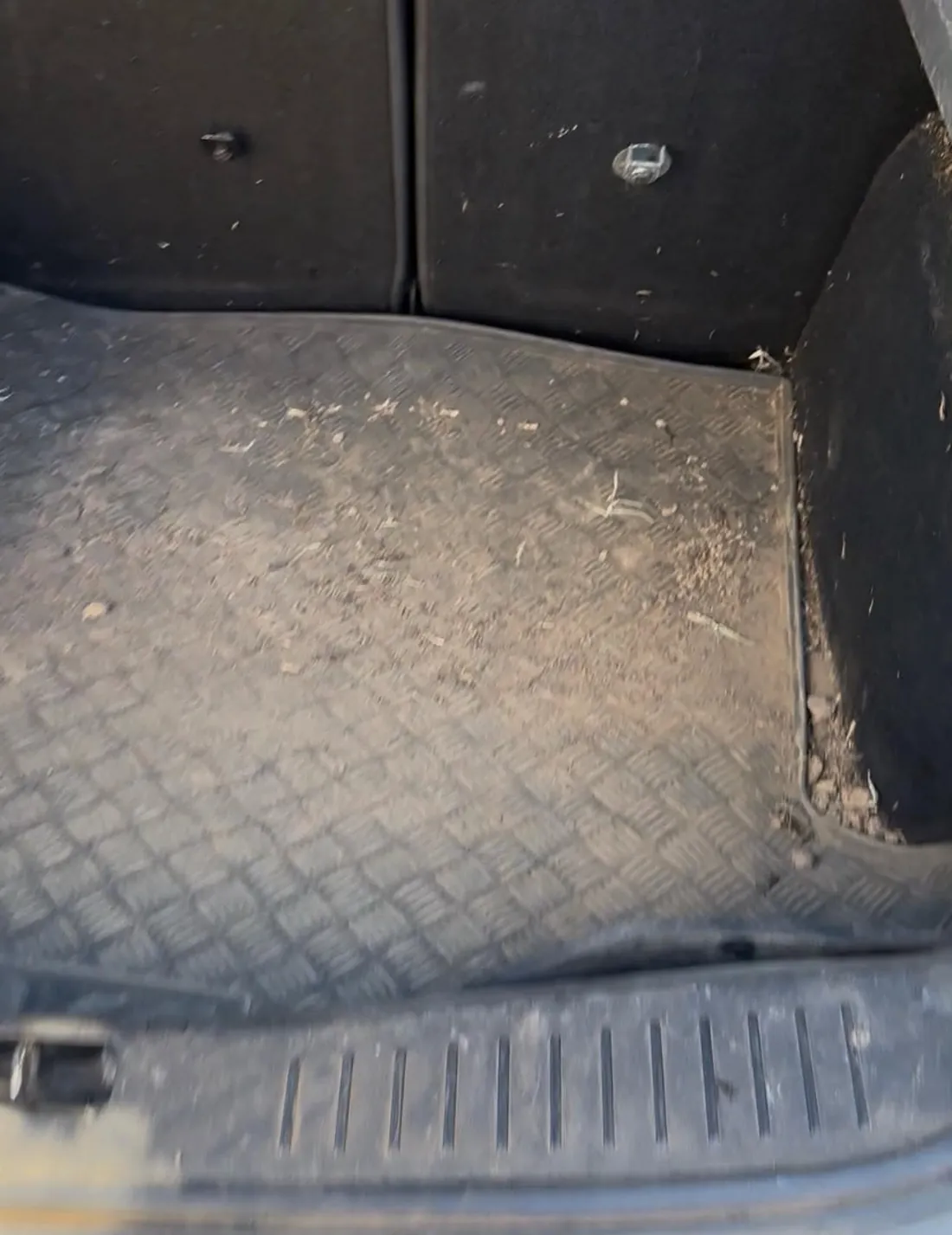
The setting of this waterfront enclave shapes the contamination too. Homes here sit close to the Port Hacking River on nearly every side, so cars face salt spray and organic fallout year-round — leaf litter from the bushland, sap mist, and the fine grit that drifts up from jetties and boatsheds at low tide. The moisture off the Port Hacking River can also trap this grit, creating a stubborn film on bonnets and roofs that requires professional attention to remove safely. Owners find that their prestige vehicles seem to lose their lustre faster than those parked further from the water. It is the result of a complex interplay between salt, moisture and biological residue that creates a microscopic layer of film over the entire vehicle, bonnet to boot.
Our approach starts with how the vehicle is genuinely used. A boat-towing ute that spends the morning at the jetty and the afternoon on a hillside driveway needs different emphasis from a prestige sedan doing the school-and-marina circuit. We inspect the car first, choose products for the materials in front of us and follow a repeatable order of work rather than treating every job as identical. We look for the patterns of salt crust in the wheel arches from boat ramp visits, the brake dust from descending steep streets, and the deep-seated sap that collects where the bushland meets the waterfront. By understanding these local patterns, we focus our efforts where they have the most significant and longest-lasting impact on the finish.
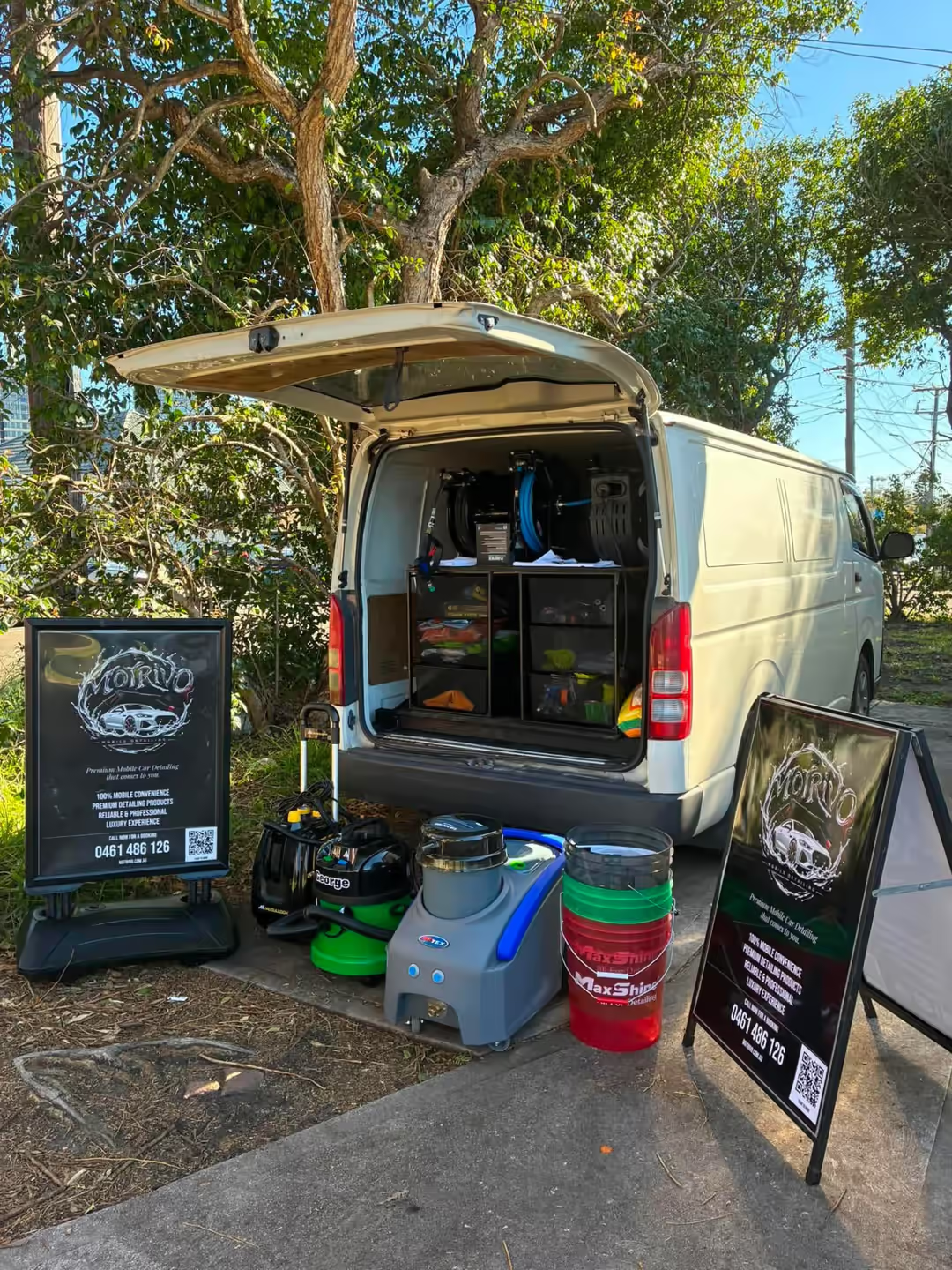
For local households, the mobile format removes the awkward part. There is no drive to a workshop across town, no lift to arrange and no Saturday lost to a waiting room. You keep your routine — the jetty, the boatshed, the river — and the car is detailed exactly where it already sits. Every booking works the same way: we bring machines, products, towels and equipment; you supply a suitable space with access to a tap and a power point. This convenience is particularly valuable in Port Hacking where steep driveways and narrow hillside streets can complicate logistics. We adapt to your schedule, providing a premium service that fits seamlessly into your day without requiring you to reorganise your life around your car's maintenance.