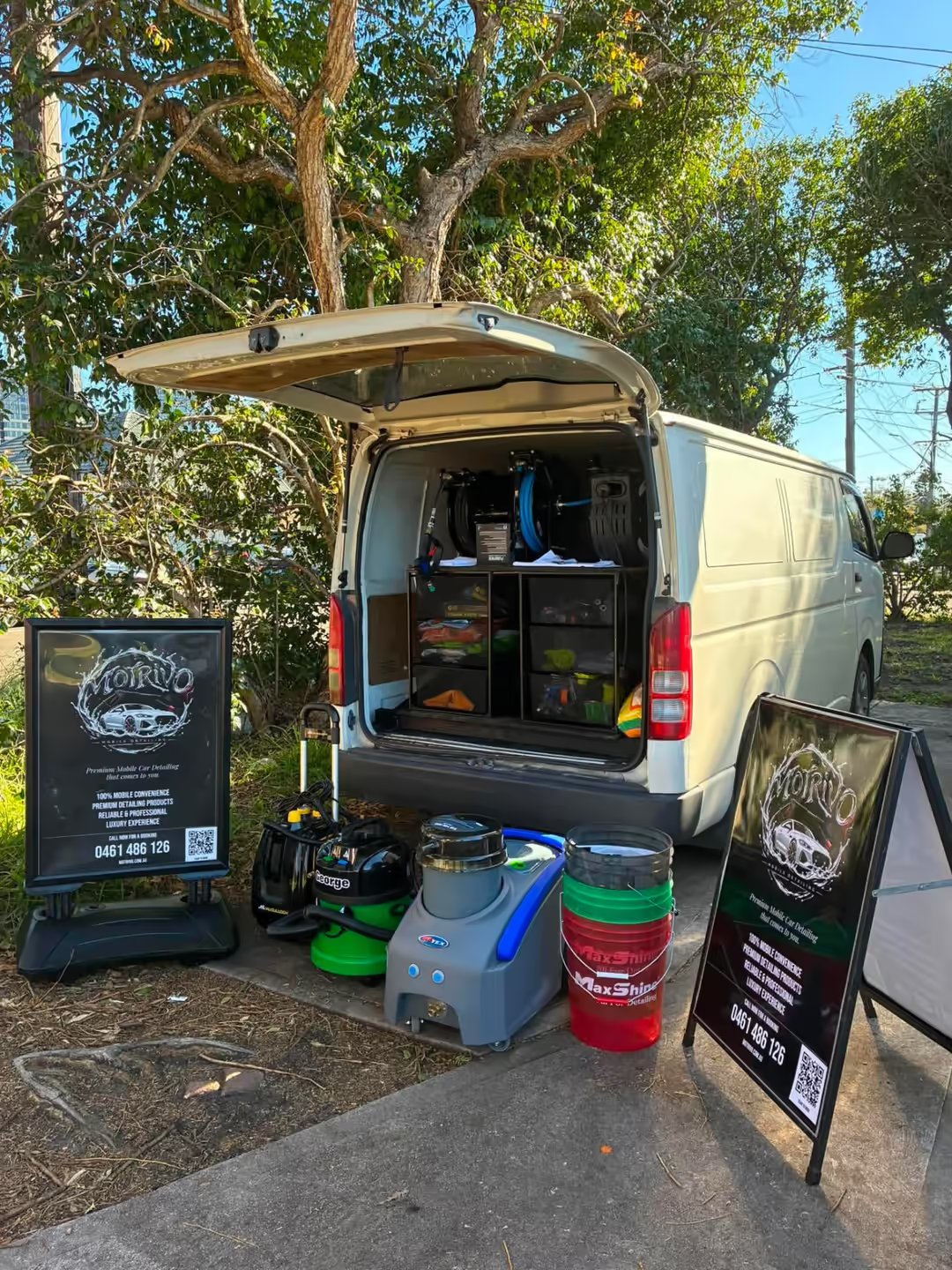
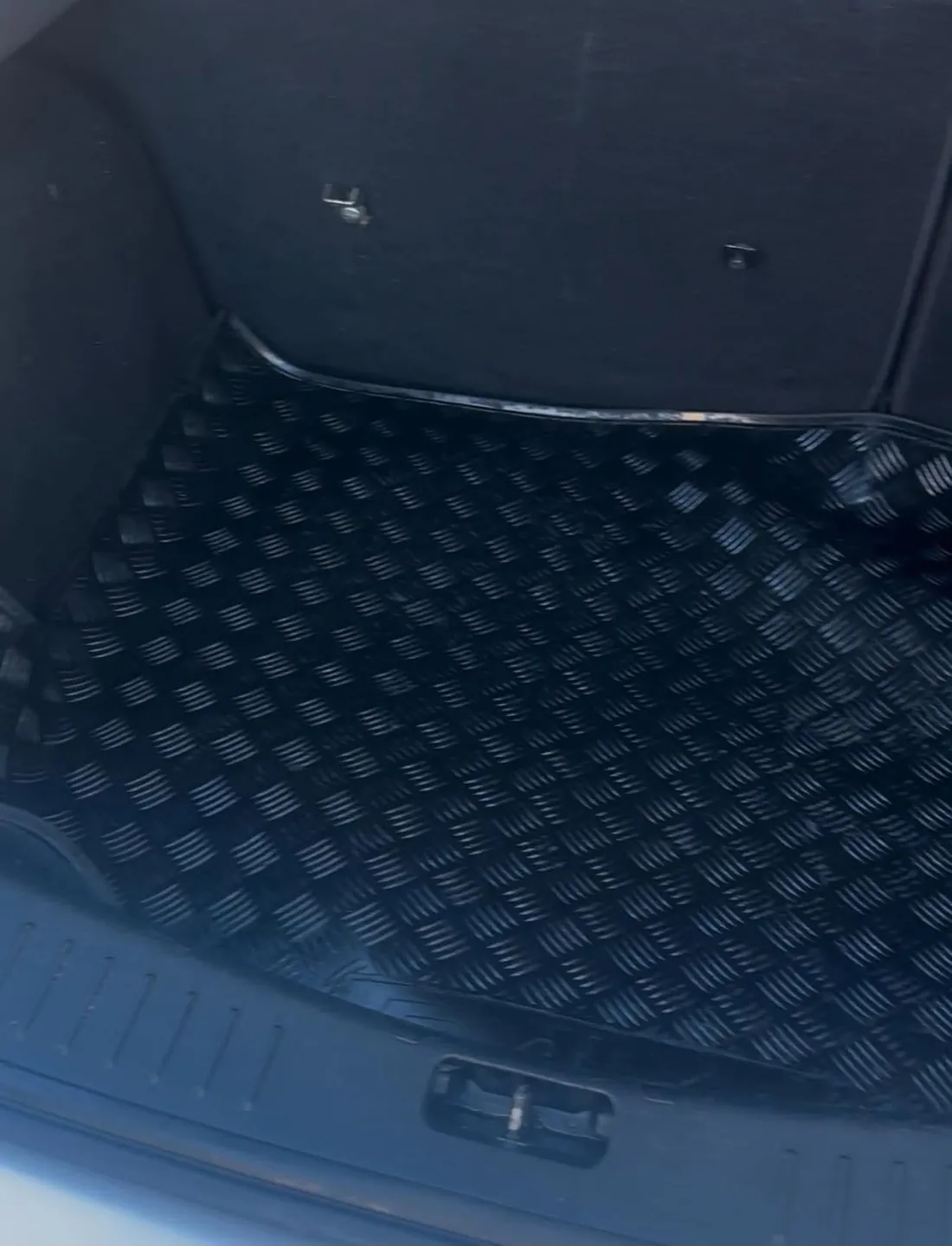
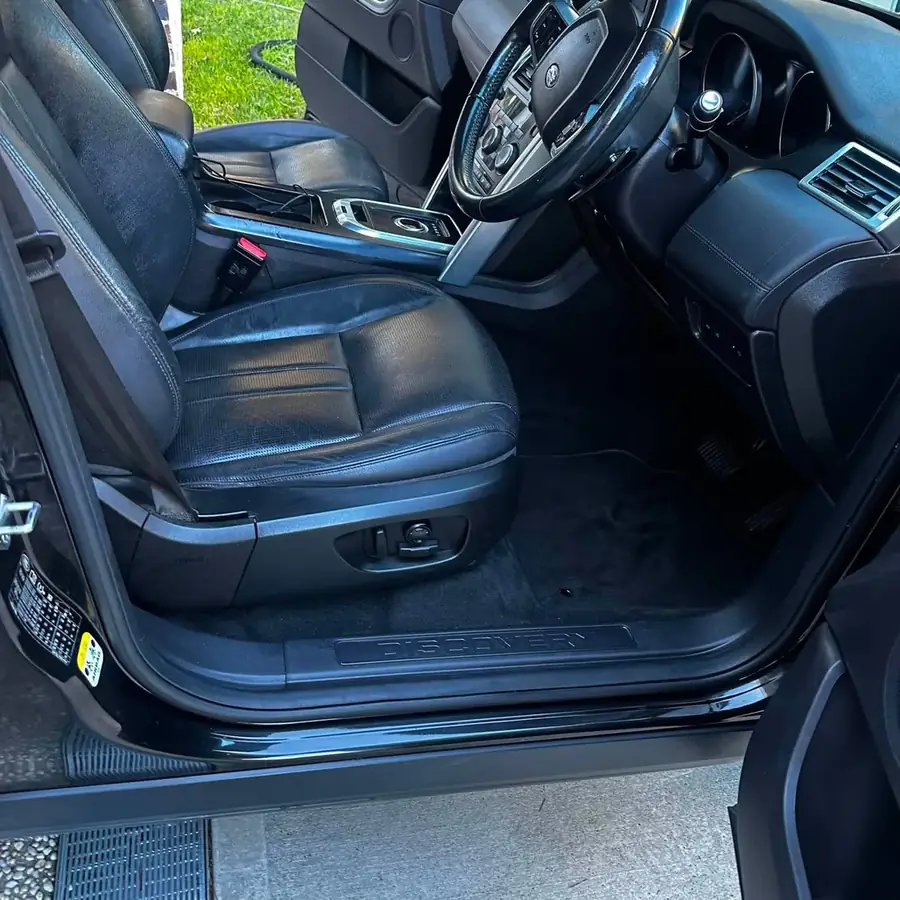
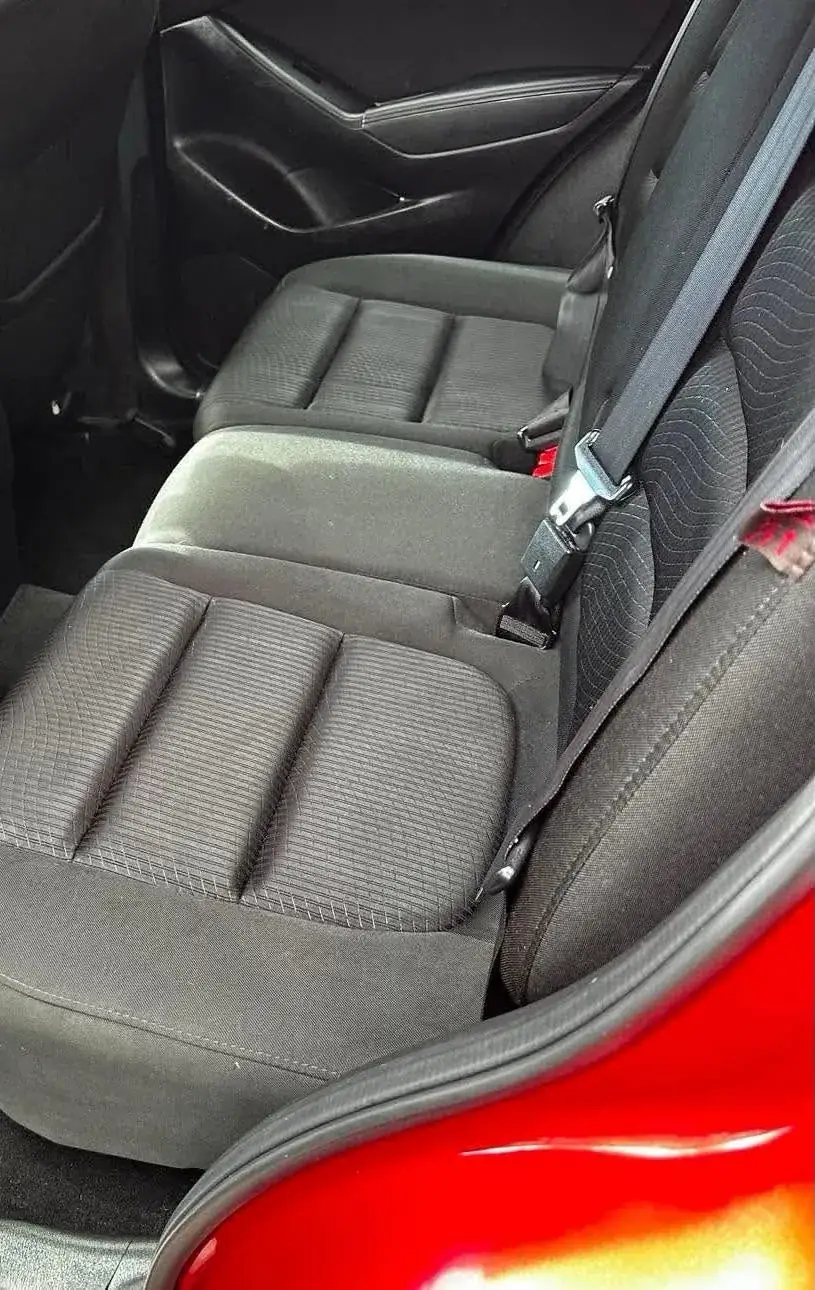
Maianbar is a tiny fishing village on the Port Hacking River, wrapped on almost every side by the Royal National Park, with a single road in and out and a pace of life that feels a long way from the rest of Sydney. Through all of it, the family car is doing the heavy lifting: the drive in along the one access road, the boat ramp run, and the quiet weekend sitting beside a cottage near the tidal flats. Motrivo brings a complete interior and exterior detail to your driveway or carport, with the same $299 flat rate for any vehicle size, no deposit, and payment only after the finished-car walkaround.
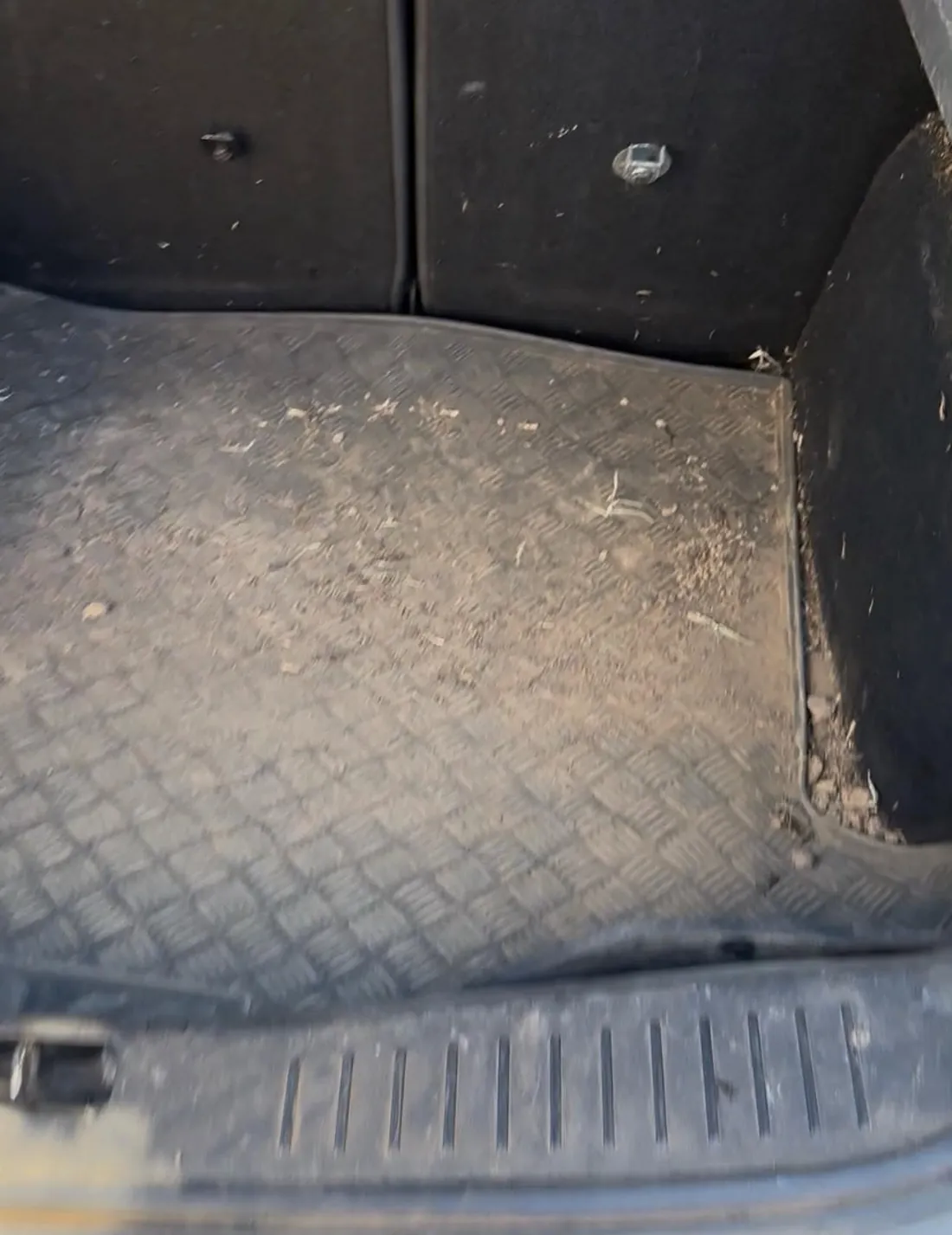
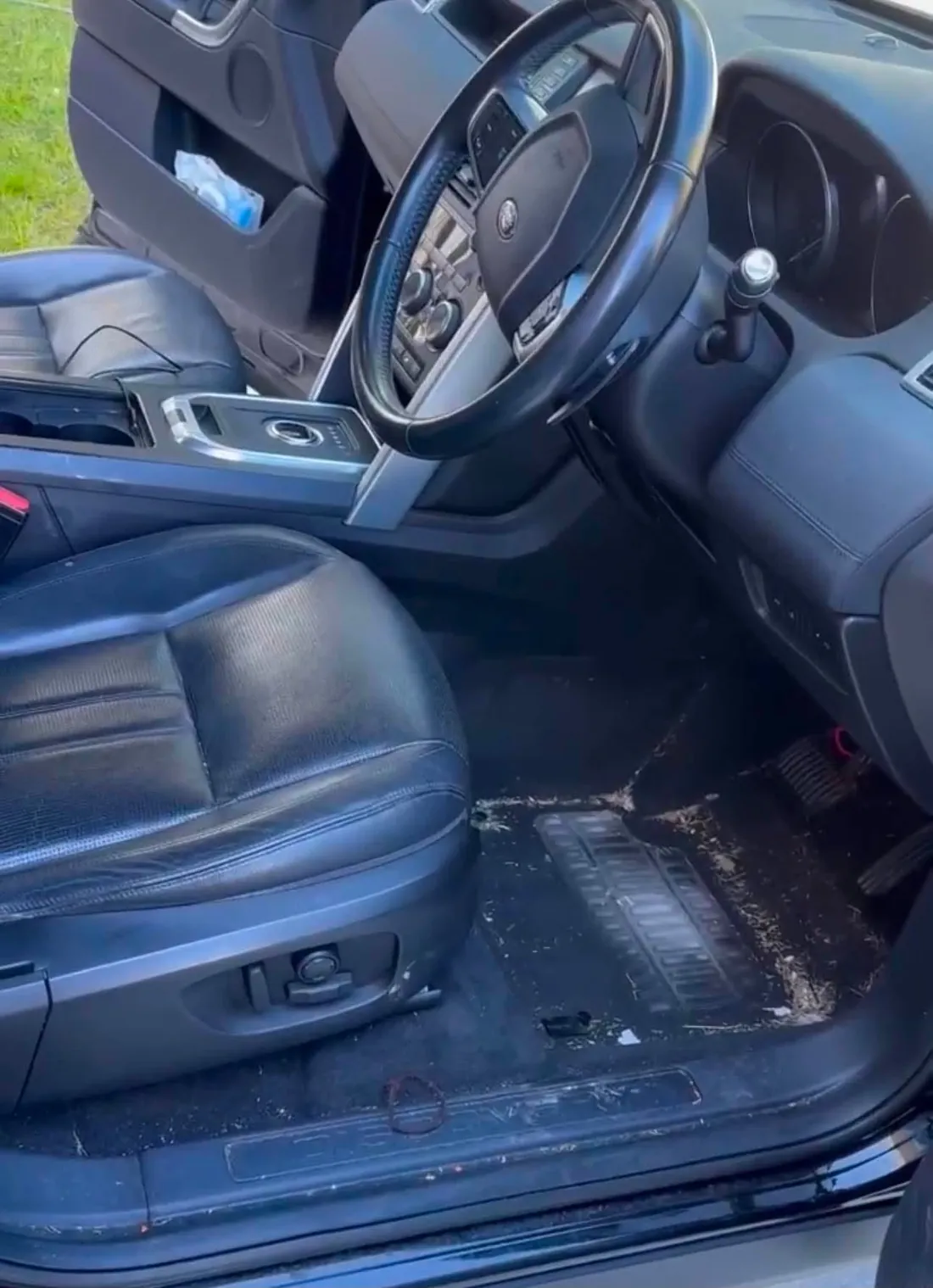
A typical week for a vehicle based in Maianbar is shaped by the geography. The one road in and out means every trip is a deliberate one, often loaded with fishing gear, esky, dinghy oars or supplies brought in from further afield. Cars sit for long stretches near the beach, the moored boats and the tidal flats, where salt air and river mist settle on paint overnight. By the time a car has spent a week parked under the gum trees in Maianbar, the cabin and the paintwork both tell the story of sandy tracks, salt-laden air and the sap mist that drifts down from the surrounding bushland.
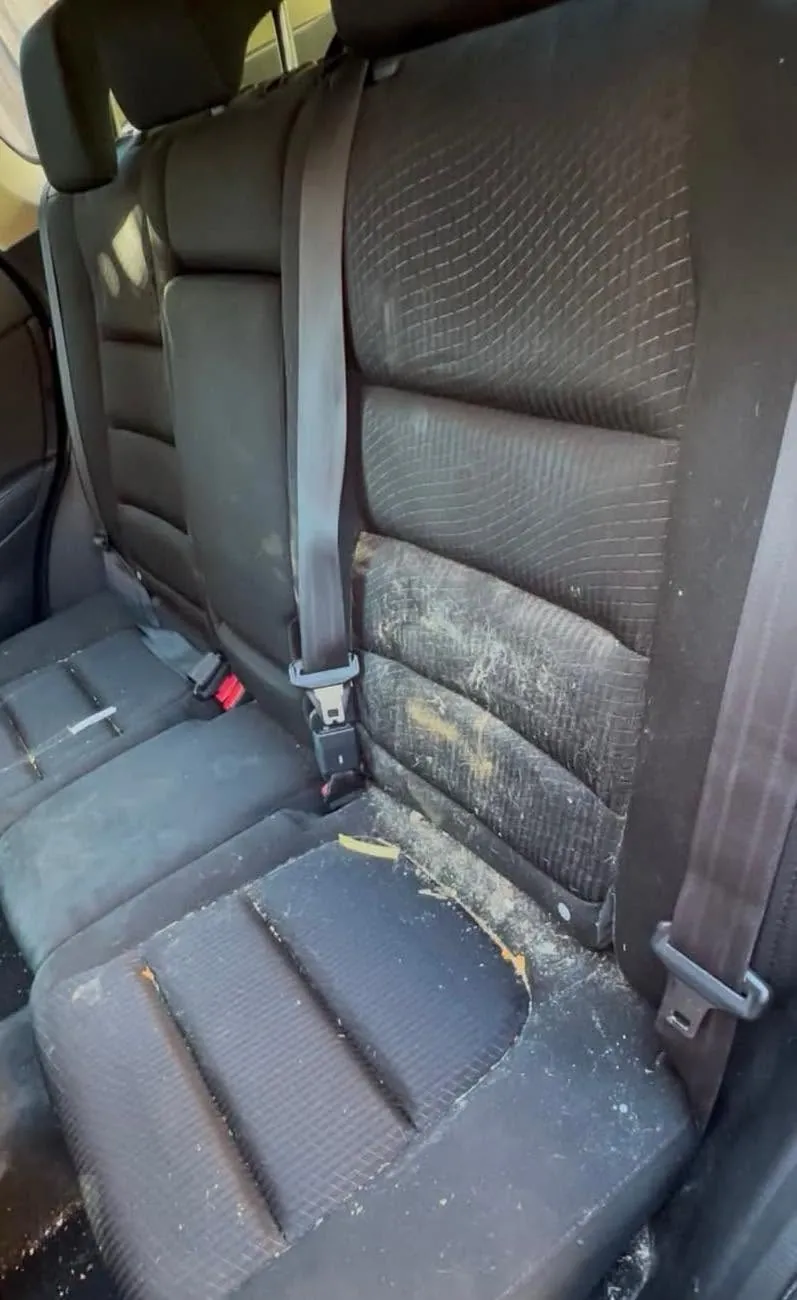
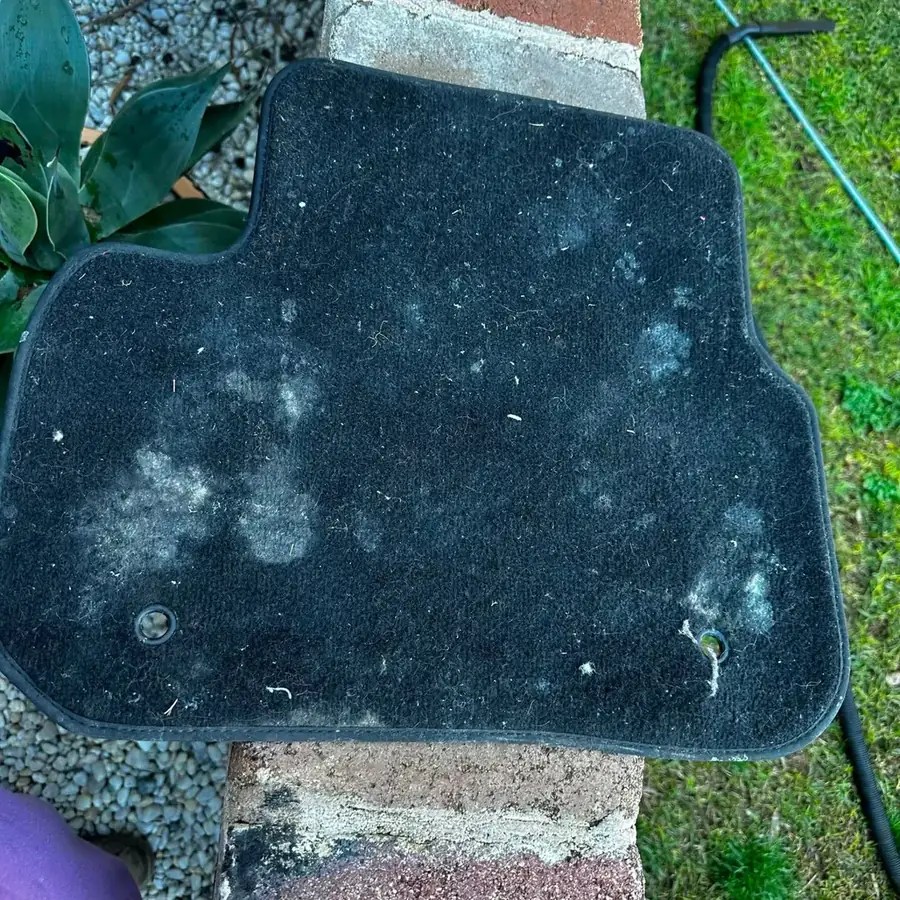
The setting shapes the contamination in a way that few other suburbs experience. Surrounded almost entirely by the Royal National Park and the river, vehicles face organic fallout year-round — leaf litter in the cowl, blossom through spring, and the droppings from bats and birds that etch clear coat fast in the sun — alongside a fine, persistent bush dust that works its way into seals, sills and door shuts. The salt air rolling off the river and the tidal flats compounds this, binding dust and grit into a film that ordinary washing struggles to shift. Locals know their cars seem to weather faster here than in suburbs further from the water, and that is simply the result of salt, moisture and organic residue working together.
Our approach starts with how the vehicle is genuinely used in Maianbar. A dual-cab that hauls a boat trailer down to the water needs a different emphasis from a small hatch that mostly sits parked near a weekender. We inspect the car first, choose products suited to the materials in front of us, and follow a repeatable order of work rather than treating every job as identical. We look for the salt accumulation around the arches from boat launching, the bush dust worked deep into vents and seals, and the sandy tracks that lead straight from a car door into the footwell. By understanding these patterns we focus effort where it matters most.
For Maianbar households, the mobile format removes the single biggest inconvenience: there is no drive back out along the one road to a workshop, no lift to arrange and no morning lost waiting. You keep your routine — the river, the boat, the quiet — and the car is detailed exactly where it already sits. Every booking works the same way: we bring machines, products, towels and equipment; you supply a suitable space with access to a tap and a power point. This matters in Maianbar, where logistics can be complicated by the single access road and narrow driveways, and we adapt to that rather than asking you to work around us.